29 Best Gifts for People with Dementia

Thoughtful Ways to Bring Comfort, Joy, and Connection
Choosing gifts for those with Alzheimer’s disease or other forms of dementia can feel emotional, unfamiliar, and even overwhelming. After a dementia diagnosis, families often wonder: What will feel comforting? What will bring joy? What will still feel like “them?” The truth is that the right present can do far more than fill a holiday stocking or birthday bag. A thoughtful gift can spark connection, reduce stress, ease daily routines, and show your loved one how deeply they are known and cherished.
When selecting gifts for people with Alzheimer’s, for someone newly diagnosed, or for those in later stages, the key is simple: keep safety, dignity, and personalized meaning at the heart of every choice. Gifts should match your loved one’s abilities, hobbies, and evolving needs, while gently supporting independence wherever possible.
This guide walks you through how to choose a meaningful gift, what types of presents work best for each stage of dementia, and what to avoid. You’ll also find budget-friendly ideas, DIY options, and practical presentation tips to help your loved one enjoy their gift with confidence and ease.
How to Choose the Right Gift
Finding the perfect gift for someone with dementia starts with one intention: honor the adult you love. Avoid items that feel childish or patronizing unless your loved one already finds comfort in them. Instead, focus on gifts that feel purposeful, supportive, and warmly familiar.
As dementia progresses, a person’s abilities and preferences can shift. Ask caregivers or family members what currently delights them, calms them, or draws their attention. Engagement-focused gifts – like sensory tools, conversation prompts, or music – often bring more meaning than passive items.
Safety matters, too. Look for easy-open packaging, auto-shutoff features, large-print labels, soft materials, and items that are simple to manage independently. And remember maintenance: If a gift requires batteries, charging cords, or refills, consider including backups so the item remains useful long after it’s unwrapped.
Gifts by Stage of Dementia
Early Stage
In the early stage of dementia, your loved one may experience mild memory changes but still maintain independence, routines, and a strong sense of self. Gifts that support organization, enhance connection, and gently assist with new challenges can feel empowering and thoughtful.
- Items That Support Memory
Large-print wall calendars, labeled baskets, whiteboards with reminders, and wallet-sized in-case-of-emergency contact cards help simplify daily tasks without feeling clinical. - Connection and Reminiscence Gifts
Digital photo frames preloaded with family albums or custom “memory calendars” that highlight beloved milestones can spark joy and meaningful conversation. - Gifts to Keep Loved Ones Engaged
Adult puzzles related to hobbies, conversation card decks, and simple craft kits encourage mental stimulation without frustration. - Helpful Tech
GPS-enabled wearables, key or wallet trackers and voice-assistant smart speakers support independence safely. - Experience Gifts
Gift cards to favorite restaurants, museum passes, golf or bowling outings, or a low-key family adventure can create cherished memories while honoring their lifestyle.
Middle Stage
The middle stage typically brings a need for more cueing, simplified routines, and greater safety considerations. Gifts in this stage should support comfort, familiarity, and structure.
- Orientation Aids
Easy-read day/date/time clocks, motion-activated night-lights, and glow tape for hallways or doorframes help reduce confusion, especially in the evenings. - Medication and Routine Helpers
Talking alarm clocks, pill organizers with audible reminders, and color-coded daily routines can bring calm and consistency. - Adaptive Dining Tools
Non-spill cups, plate guards, easy-grip utensils, and washable placemats with visual cues support independence and dignity at mealtimes. - Comfort Clothing
Soft, tag-free apparel with Velcro or elastic waistbands, supportive slippers, and non-slip socks provide ease and comfort throughout the day. - Reminiscence Tools
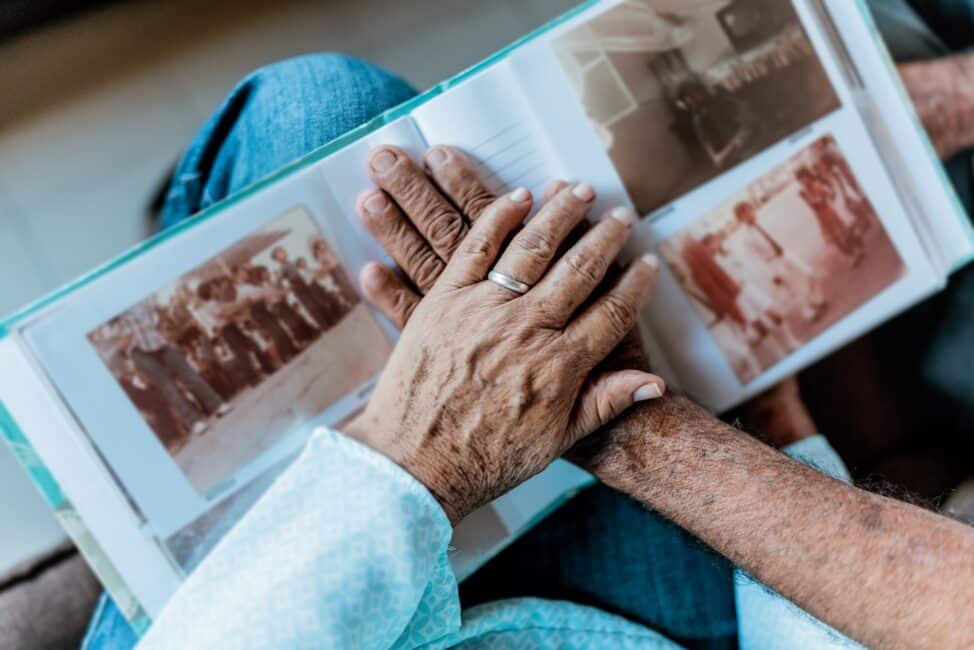
Labeled photo books, simple scrapbooks with captions, and curated playlists of favorite songs can help anchor memory and spark recognition. - Safe Kitchen Aids
Auto-shutoff kettles, contrast-color dishware to improve visibility, and simple microwave-safe meal containers help reduce risk in the kitchen. - Location Safety Gifts
Compact GPS trackers or medical ID jewelry can bring peace of mind during outings or walks.
Late Stage
In the late stage of dementia, sensory comfort, soothing interaction, and emotional reassurance matter most. Gifts should be gentle, safe, and calming.
- Sensory Comfort Items
Weighted blankets, textured or fidget quilts, tactile panels, and soft lap blankets can offer grounding comfort and reduce agitation. - Robotic Companion Pets or Lifelike Dolls
These companions often bring emotional connection, reduce loneliness, and soothe anxiety in a surprisingly meaningful way. - Music and Rhythm Gifts
Preloaded music players, soft sing-along sessions, or familiar hymn collections can help unlock memories and bring soothing familiarity. - Gentle Activities
Large-piece puzzles with beloved images, simplified adult coloring books, and soft clay or foam activities encourage calm engagement. - Time Together
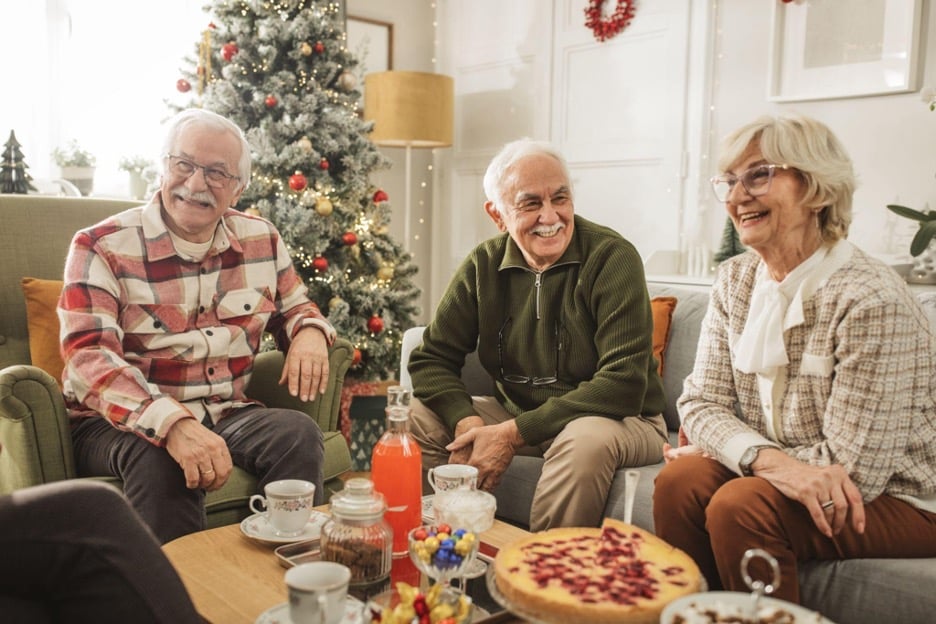
Sometimes the most treasured gift is presence – the gift of unhurried companionship. Short walks, looking at holiday lights, watching favorite films, or simply holding hands can mean everything.
Gifts That Support Everyday Tasks and Safety
These practical items can benefit people at any stage of dementia, making daily living safer and more manageable.
- Large-Button Photo Phones or Captioned Phones
These simplify communication and help reduce frustration. - Nightl-ights and Motion Lighting
Dusk-sensor night-lights and hallway motion lights reduce fall risk and nighttime confusion. - Simple Remote Controls
Big-button radios or universal TV remotes keep entertainment accessible. - Home Organization Kits
Labeled bins for toiletries, hobby supplies, or clothing support independence and ease. - Calming Kits
Lavender lotions, soft socks, handheld massage balls, or warm microwavable plush items can provide relaxation throughout the day.
Personalized and Interest-Based Gift Ideas
Some of the best gifts for seniors with dementia are those that speak to long-held passions. Even as memory changes, emotional memory often stays strong.
- Adapted Hobby Kits
Water-based painting sets, large-needle knitting, bird-watching kits, or simple flower-arranging supplies keep familiar hobbies accessible. - Themed Puzzles or Books
Choose puzzles or picture books based on a lifelong love – gardens, classic cars, horses, travel destinations, pets, or nature. - Cooking Nostalgia Items
Recipe photo cards, herb garden starter kits, or simple baking mixes for supervised sessions can reconnect them with meaningful routines.
Homemade Gifts
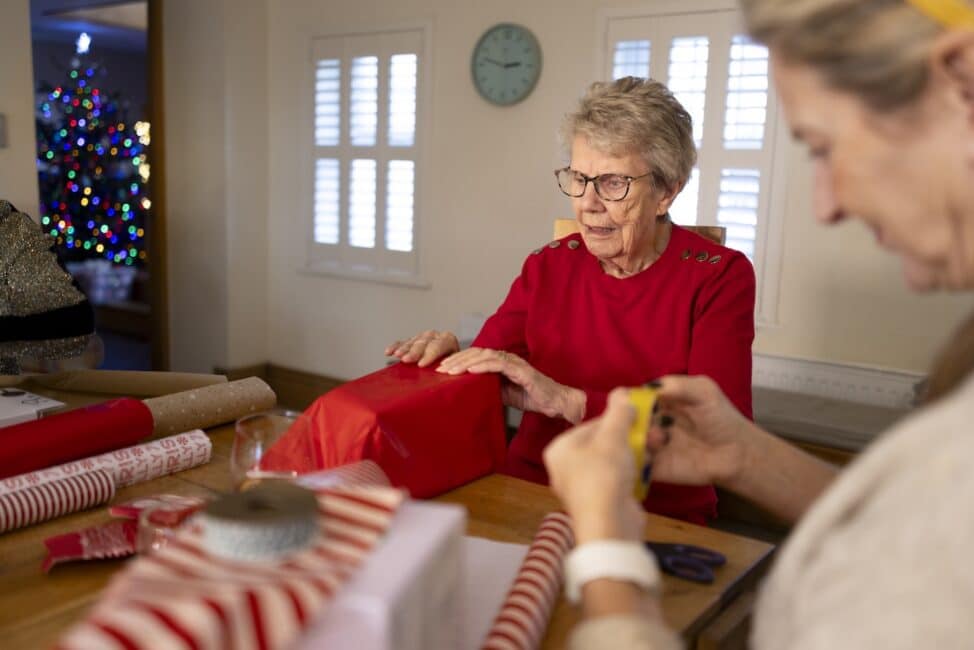
Meaningful gifts don’t have to be expensive. Some of the most cherished presents are handmade, personal, and filled with heartfelt intention.
- Memory Books
Create simple photo books with captions, names, and dates printed clearly. - DIY Sensory Box
Include smooth stones, soft fabric swatches, a gentle brush, or a lightly scented sachet (check sensitivities). - Family Coupon Book
Offer “coupons” for car rides, music hours, walks at the mall, shared crafting, or simply being together. - Printed Playlists
Share a playlist of favorite songs with QR codes for easy access.
What Not to Give (or Use With Caution)
Some items can create stress or safety risks, so choose with care. Complex electronics, breakable or sharp objects, strong scents, and items that increase fall or fire hazards – like area rugs, clutter, or candles – are best avoided. Even helpful tools such as medical IDs or alarm devices should be introduced gently and only when the person is ready. Thoughtful choices help preserve dignity and confidence – a gift that matters most.
Presentation Tips to Reduce Overwhelm
A well-chosen gift is even more meaningful when presented with care.
- Choose easy-open packaging with large-print labels
- Present one gift at a time
- Demonstrate briefly how to use the item
- Include extra batteries, chargers, or refills
- Label photo gifts with names and short captions
Small details make the experience smoother, calmer, and more enjoyable.
A Gift of Comfort, Connection, and Care
At Cascade Living Group, we know that every family navigating dementia is carrying love, hope, and sometimes worry. Thoughtful gifts – those chosen with warmth, understanding, and personal meaning – can bring comfort, connection, and dignity at every stage of the journey.
But one of the greatest gifts of all is knowing your loved one is surrounded by compassionate care, purposeful engagement, and a community that feels like home. At Cascade, our memory care neighborhoods are designed to nurture each resident with respect, joy, and meaningful daily experiences.
If you’re exploring next steps for someone you love, we invite you to visit a Cascade community near you. Come walk the halls, meet the team, and see how our person-centered approach supports both residents and families. We would be honored to be part of your loved one’s story.