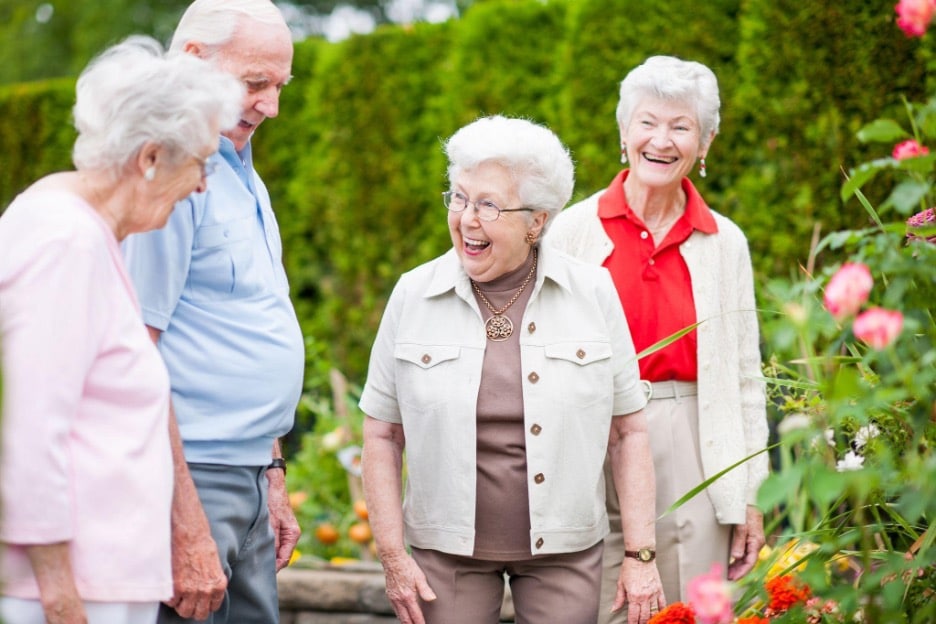
Empowering Seniors: A Guide to Self-Care for Seniors

There is a beautiful, quiet wisdom that comes with the passing of years. It is a season of life meant for reflection, deeper connections, and, perhaps most importantly, a gentler kind of self-kindness. At Cascade Living Group, we believe that your later years shouldn’t just be about getting by – they should be about thriving.
Often, we spend our younger years caring for others: raising families, building careers, and tending to the needs of our communities. When we reach the golden years, the focus naturally shifts. This is where self-care for seniors becomes more than just a buzzword; it becomes a vital practice of honoring the body and mind that have carried you through a lifetime of experiences. Self-care is the quiet act of listening to what you need and giving yourself permission to prioritize your own well-being.
What Is Self-Care for Seniors?
When we talk about self-care, we aren’t just talking about a spa day or a temporary treat. For older adults, self-care is the intentional practice of protecting one’s own health and happiness, particularly during periods of transition. It is the collection of daily habits – some small, some significant – that support your physical, emotional, and mental health.
Think of self-care as a personalized tool kit for healthy aging. It involves recognizing when you need rest, nourishing your body with what it needs to stay strong, and keeping your mind engaged with the world around you. It’s about maintaining a sense of agency and choosing activities that make you feel like the best version of yourself. Whether it’s a morning walk or a quiet moment with a book, these rituals form the foundation of a life lived well.
Why Is Self-Care Important for Older Adults?
As we age, our needs evolve, and the importance of a dedicated self-care routine becomes much clearer. One of the most significant benefits of self-care is its ability to help manage the natural changes that come with aging. Consistent senior wellness tips and habits can help slow declines in mobility and memory, ensuring that you remain as active as you wish to be.
Furthermore, self-care is a powerful tool for supporting independence. By proactively managing your physical health and cognitive function, you empower yourself to navigate daily life with confidence.
Beyond the physical, it is a shield against the quiet weight of loneliness. Engaging in self-care often involves reaching out to others, which naturally reduces the health risks associated with isolation. Ultimately, taking care of yourself is the quickest way to improve your mood and outlook, allowing you to greet each day with a sense of purpose.
Physical Self-Care Tips for Seniors

Our bodies are our homes, and keeping them comfortable and functional is a primary pillar of senior well-being. Physical self-care isn’t about running marathons; it’s about gentle, consistent movement and nourishment.
Stay Active with Safe, Low-Impact Exercise
Movement is medicine. For many, the goal of physical activity for seniors is to maintain flexibility, balance, and strength. Low-impact exercises like walking through a sunlit park or gentle stretching can do wonders for joint health.
If mobility is a challenge, chair yoga and seated exercises offer a wonderful way to keep the blood flowing and muscles engaged without the risk of overexertion. These healthy aging tips emphasize that even ten minutes of movement can significantly boost your energy and stability.
Eat a Balanced, Nutrient-Rich Diet
What we put into our bodies directly impacts how we feel. Focus on a diet rich in whole foods – think colorful vegetables, lean proteins, and fiber-rich grains. Simple meal ideas, like a hearty oatmeal bowl with berries or a grilled salmon salad, don’t have to be complicated to be effective.
Don’t forget the importance of hydration, as the sense of thirst can sometimes diminish with age. Keeping a favorite water bottle nearby is a simple but profound act of self-care.
Prioritize Sleep and Rest
We often underestimate the power of a good night’s sleep. Sleep is when our brains clear out the clutter, making it essential for cognitive health and memory.
According to the CDC, a consistent sleep routine – going to bed and waking up at the same time – helps regulate your body’s internal clock. Creating a calming evening ritual, perhaps by dimming the lights or listening to soft music, signals to your body that it is time to recharge.
Keeping Up with Preventive Care
Part of loving yourself is staying ahead of potential health hurdles. This means keeping up with regular checkups, dental cleanings, and health screenings. Managing medications can sometimes feel like a chore, but using reminders or pill organizers ensures you stay on track.
These preventive measures are the maintenance that allows you to continue enjoying your favorite activities without interruption.
Mental and Emotional Self-Care
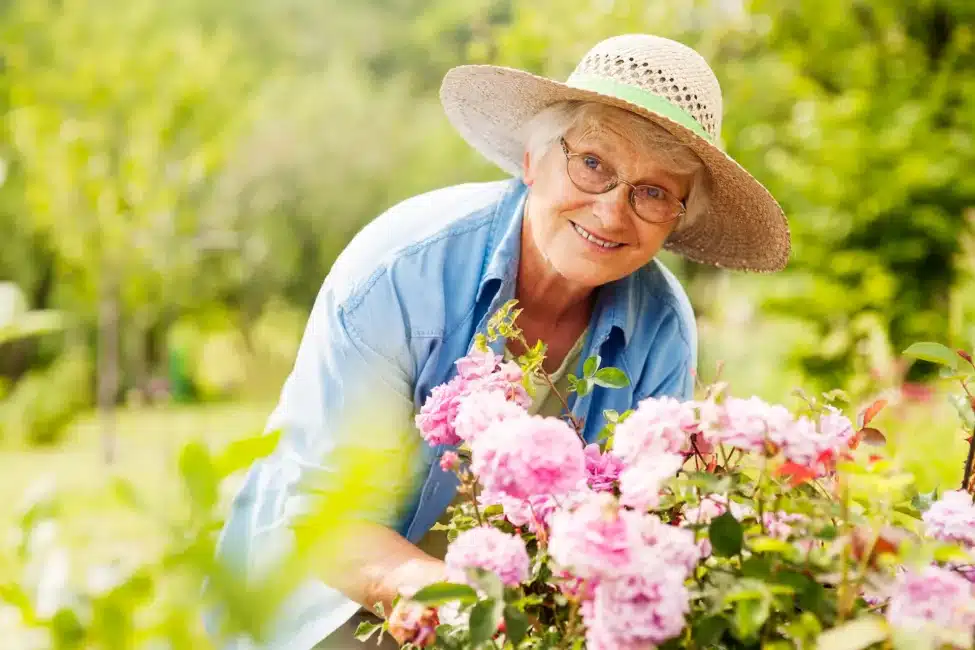
A healthy body needs a vibrant mind to match. Mental health for older adults is just as crucial as physical health, and it requires its own set of nurturing habits.
Keep Your Mind Active
Your brain is like a muscle – it needs a workout to stay sharp. Engaging in creative hobbies like painting, woodcrafts, or even learning a new language can create new neural pathways. Puzzles, reading, or playing strategy games with friends are not just fun; they are essential healthy aging strategies that keep your cognitive faculties firing on all cylinders.
Manage Stress and Anxiety
Life can be overwhelming at any age. Developing tools to manage stress is key to maintaining emotional balance. Deep breathing exercises, even for just five minutes a day, can lower your heart rate and bring a sense of peace.
Establishing a predictable daily routine can also provide a sense of security and control, which naturally lowers anxiety.
Watch for Signs of Depression
It is important to be honest about how we are feeling. While occasional sadness is a part of life, persistent feelings of hopelessness or a loss of interest in things you once loved should not be ignored.
If you notice these signs in yourself or a loved one, reaching out to a professional or a trusted friend is a brave and necessary act of self-care. There is no shame in seeking support; in fact, it is one of the most powerful things you can do for your well-being.
Social Self-Care and Staying Connected

We are social creatures by nature. Feeling connected to a community and to our loved ones is a fundamental human need that doesn’t change as we get older.
Maintain Relationships with Family and Friends
Our families and longtime friends are the keepers of our stories. Maintaining these bonds provides a sense of belonging and tremendous socialization benefits. If distance is an issue, leveraging technology – like video calls or social media – can bridge the gap, allowing you to see your grandchildren’s smiles or share a laugh with a friend across the country.
Join Community Groups or Participate in Events
There is something incredibly life-affirming about being around people who share your interests. Whether it’s a gardening club, a book group, or a walking circle, finding new friends with similar hobbies provides a regular dose of joy.
In a senior living community, these connections happen organically through coordinated events and shared dining, making it easy to find your tribe.
Easy Self-Care Activities for Seniors
If you’re looking for quick ways to incorporate self-care activities for older adults into your day, try some of these:
- Daily Walks: Enjoy the fresh air and the rhythm of your own pace.
- Gardening: Connecting with the earth and watching something grow are deeply rewarding.
- Listening to Music: Put on a favorite album that brings back happy memories.
- Journaling: Write down three things you are grateful for each morning.
- Calling a Friend: A simple five-minute chat can brighten your entire afternoon.
- Mindful Tea Drinking: Focus on the warmth of the cup and the aroma of the tea.
How to Build a Simple Self-Care Routine
The secret to a successful self-care routine is simplicity. You don’t need to change your entire life overnight. Start by picking two things – one physical and one mental.
Perhaps you decide to walk for fifteen minutes after breakfast and do a crossword puzzle before bed. Once those feel natural, you can add more. The goal is to create a rhythm that feels like a gift to yourself, not a task on a to-do list.
Discover a Supportive Community
At Cascade Living Group, we understand that the environment you live in plays a massive role in your ability to practice self-care. A supportive community takes the work out of wellness. From nutritious, chef-prepared meals to a full calendar of social events and fitness classes, everything is designed to help you focus on what truly matters: your happiness.
We believe there is a profound difference between living and living well. Living well means having the resources, the friendship, and the care you need to enjoy every single day to its fullest. Whether you are looking for independent living or a bit more support, finding the right community can be the ultimate act of self-care.
Ready to Start Your Next Chapter?
Find a Cascade Living Group community near you and see how we can support your journey toward living well. Contact us today to schedule a personal tour.