Benefits of Music in Memory Care Communities
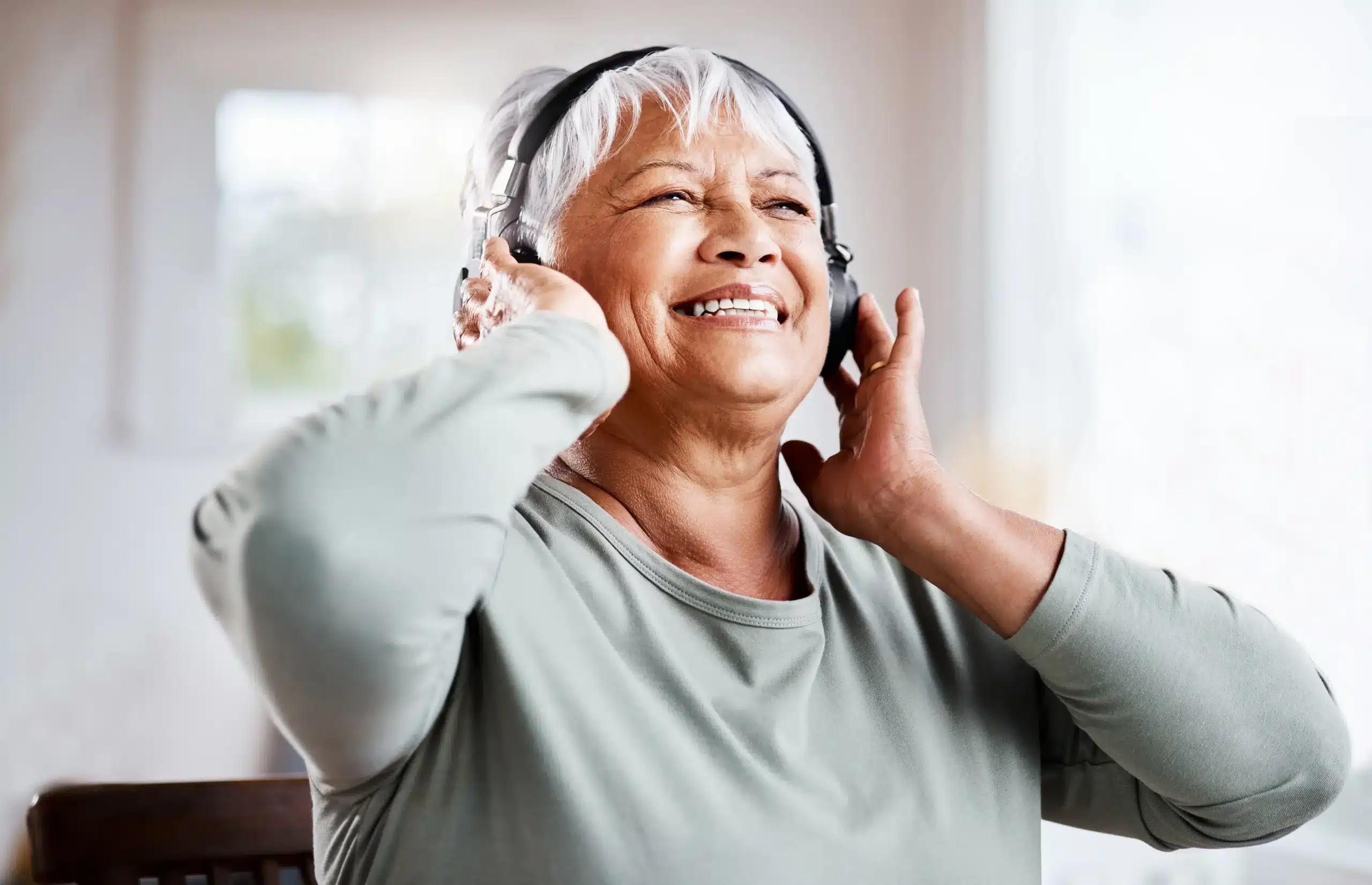
When words become difficult to find, a familiar song can open a doorway to rich connection, comfort and joy. For individuals living with dementia, hearing a melody from their youth – a favorite hymn, a wedding song or a lively big band tune – often triggers a subtle yet profound transformation. Eyes light up, fingers begin tapping to the beat and a quiet room fills with warmth and shared emotion.
In a dedicated memory care environment, music is far more than background entertainment. It is a gentle bridge between past experiences and present moments, offering individuals living with cognitive changes a meaningful way to express themselves and bond with those around them. Exploring the gentle role of music in a memory care community reveals how personalized music programs, creative engagement and clinical music therapy offer comfort, encourage gentle movement and support daily life.
What Is Music Therapy in Dementia Care?
While putting on a favorite record or singing along with a group is wonderful for general well-being, clinical music therapy is a specialized, goal-directed health service.
According to the American Music Therapy Association, board-certified music therapists use evidence-based musical interventions within a therapeutic relationship to meet individualized physical, emotional, cognitive and social goals.
Distinguishing clinical care from community sing-alongs, concerts and personal playlists helps families understand the unique layers of support available.
Why Music Can Remain Meaningful as Dementia Progresses
Cognitive changes affect different regions of the brain at different times. Interestingly, the areas responsible for processing musical memory and emotional response often remain accessible long after verbal communication or short-term memory begins to decline.
Potential Benefits of Music in Memory Care
Every person experiences cognitive changes differently, so their response to music can vary from day to day. While music programs cannot promise specific outcomes, they can create meaningful moments that support and enrich everyday life.
Connection, Communication and Reminiscence
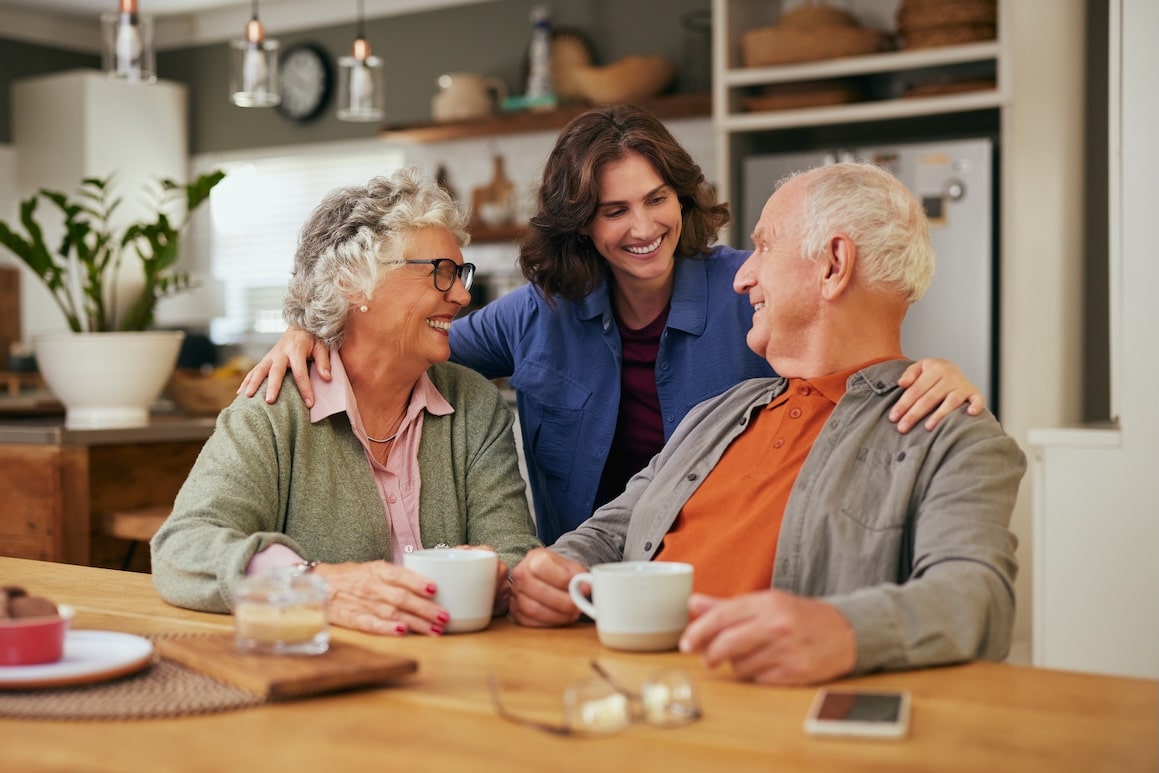
Singing together or humming along to a familiar tune creates shared attention and natural warmth between residents, team members and visiting family members. Music serves as a nonverbal language that reduces feelings of isolation and promotes meaningful socialization benefits for seniors.
While a song may occasionally spark a story or invite a moment of reminiscence, music should be seen as a pathway to emotional comfort in the present moment, rather than a reliable tool for recovering lost memories.
Mood, Comfort and Meaningful Engagement
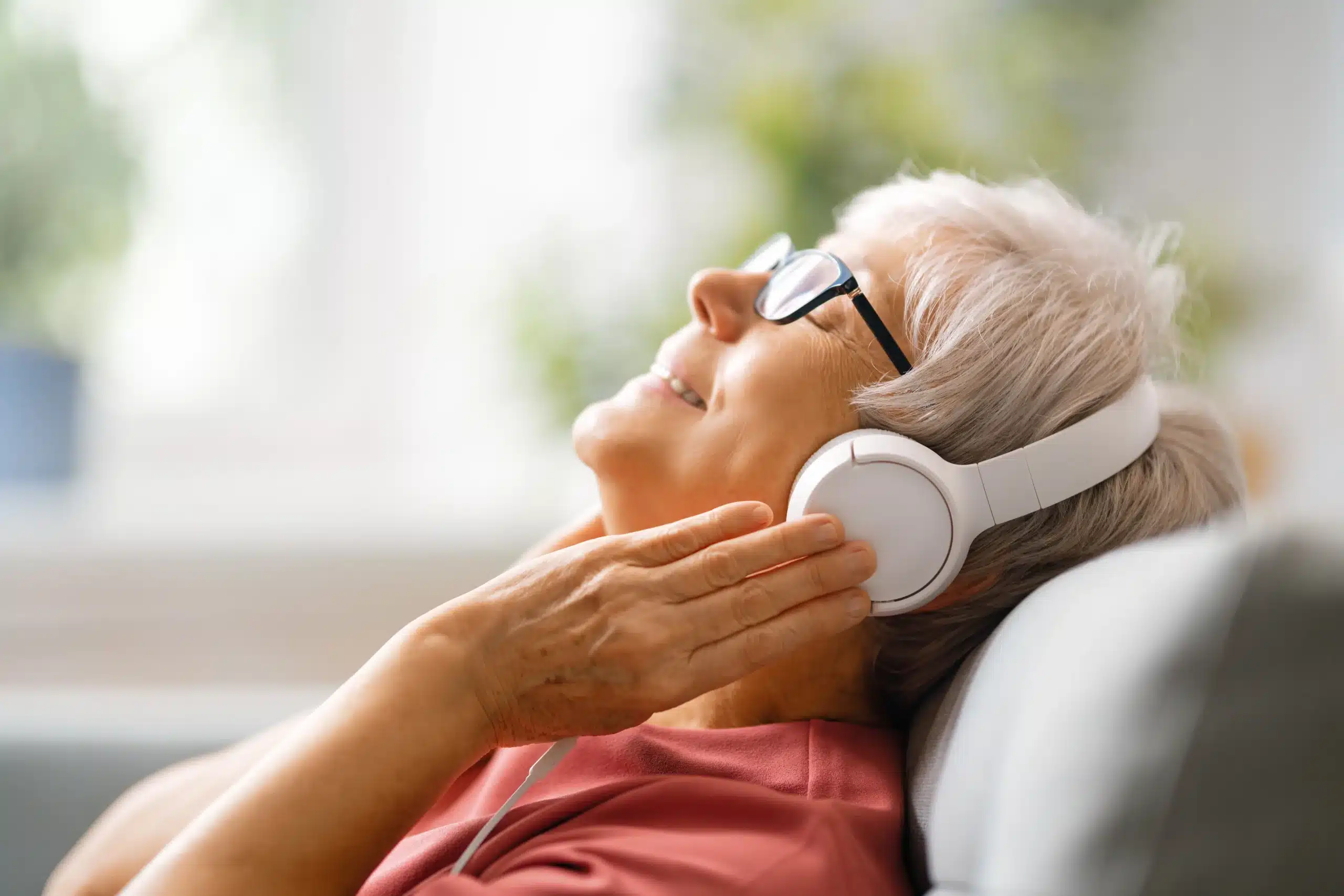
Preferred music can soothe nervous energy, ease frustration and brighten a quiet afternoon. Introducing familiar melodies during unsettled timesoffers a peaceful focal point that calms the senses and provides gentle structure to the day.
Movement and Familiar Daily Routines
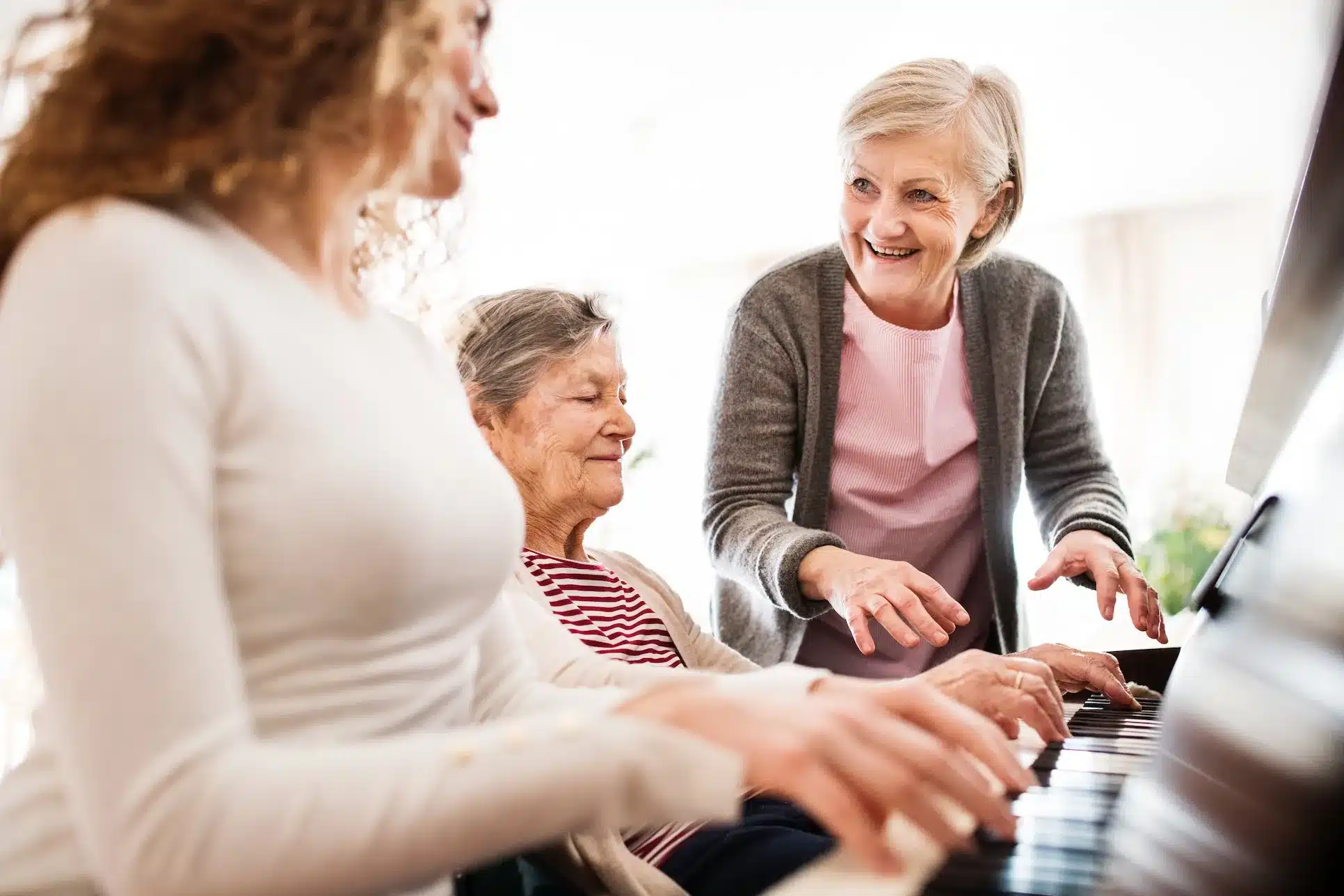
Rhythm naturally invites physical response. Simple physical activities – such as swaying to a melody, clapping hands, tapping feet or keeping time with hand percussion – add accessible physical energy suited to varying physical abilities.
Additionally, music can naturally cue daily transitions. Playing an upbeat song before lunch or soft instrumental music before bed establishes a gentle cadence for a predictable daily routine, helping residents feel secure throughout the day.
Music Therapy Ideas and Activities for Dementia
Life-enrichment teams draw from a wide variety of practical music therapy ideas and interactive options to support residents in both one-on-one and group settings. When led by life-enrichment staff rather than a board-certified therapist, these are best described as music-based activities.
The right activity always depends on the resident’s personal life story, cultural background, energy level and immediate needs.
Personalized Playlists and Musical Reminiscence
Building custom playlists tailored to a resident’s history is one of the most effective music therapy activities for dementia. These collections might include:
- Favorite artists, vocalists or instrumental genres from young adulthood (typically ages 15 to 25)
- Beloved faith traditions, spirituals or holiday songs
- Cultural music, folk songs or tunes tied to family dances and milestones
- Soundtracks from favorite movies or musical theater shows
Singing, Instruments and Movement
Group activities offer rich opportunities for connection through shared rhythm and expression:
- Sing-Alongs & Call-and-Response: Group singing encourages vocal expression, natural breathing and shared joy without any pressure on pitch or accuracy.
- Hand Percussion & Rhythm Games: Shakers, tambourines, tone blocks and soft drums allow residents of all physical abilities to participate directly in creating music.
- Gentle Movement & Props: Swaying, seated dancing or waving colorful silk scarves to a steady tempo encourages joint mobility and social interaction in a lighthearted setting.
Music for Relaxation, Transitions and Daily Care
Integrating soft, familiar background music into everyday routines creates a calming atmosphere:
- Playing peaceful acoustic tracks before meals to promote a restful dining environment
- Offering gentle, rhythmic melodies during personal care to reduce hesitation or anxiety
- Utilizing calming classical or ambient sounds at bedtime to assist with evening relaxation
How Memory Care Communities Personalize Music Programs
Exceptional care honors the individual behind the diagnosis. Rather than adopting a one-size-fits-all approach, dedicated care teams gather detailed musical life histories during onboarding.
By understanding a resident’s preferred genres, meaningful life moments and current preferences, teams continuously adapt formats, group sizes and noise levels as individual needs evolve over time.
Music and Cascade Living Group’s Mosaic Memory Care Program
At Cascade Living Group, person-centered care is the heart of everything we do. Our Mosaic Memory Care Program celebrates the unique identity, history and strengths of every resident.
Music integrates naturally into our Mosaic philosophy. By focusing on what residents can do and honoring their life stories, music becomes a powerful tool for building personal trust, supporting meaningful expression and cultivating joyful daily interactions. It helps us uphold our foundational commitment to providing heartfelt, connected care every single day.
How to Use Music Safely and Respectfully
Music is deeply emotional, which means it must be introduced thoughtfully and respectfully.
- Respect Consent and Autonomy: Pay close attention to verbal and nonverbal cues. If a resident looks away, covers their ears or appears tense, respect their space and stop the music.
- Manage Volume and Sensory Input: High volume or competing background noise (like a loud television) can quickly trigger sensory overload.
- Assess for Advertisements: According to the Alzheimer’s Association®, it’s important to find a source of music that isn’t interrupted by commercials and ads, as this can cause confusion.
- Acknowledge Hearing Needs: Ensure hearing aids are clean, fitted correctly and functioning properly so music sounds clear rather than distorted.
- Mind Emotional History: Music can recall painful or traumatic memories just as easily as happy ones. If a song causes sadness or distress, gently change the track and offer quiet reassurance.
Keep in mind that music is a supportive enrichment tool, not a substitute for professional medical care. Sudden or persistent changes in mood, behavior or physical well-being should always be reviewed promptly with the primary care team.
How Families Can Share Music with a Loved One
Sharing music during visits offers a relaxing, heartwarming way to stay connected. Here are simple ways families can incorporate music into their time together:
- Set a Calm Environment: Turn off the TV, close doors to minimize noise and sit comfortably at eye level.
- Follow Their Lead: Play familiar tunes softly. If your loved one wants to close their eyes, tap a foot or sing along, simply join in without correcting forgotten lyrics.
- Prioritize Presence Over Performance: Avoid testing memory with questions like “Do you remember who sang this?” Instead, focus on enjoying the shared rhythm and emotional warmth of the moment.
- Partner with the Community: Share favorite songs, artists and stories with the care team. Ask about current memory care activities for seniors so you can participate in community music events during your visits.
Questions to Ask a Memory Care Community About Music
When exploring senior living options for a family member, asking questions about life enrichment helps clarify how personalized their care truly is:
- How does your life-enrichment team incorporate music into daily routines?
- Are programs led by certified staff or a board-certified music therapist?
- How do you discover and document a resident’s personal musical history and preferences?
- In what ways are music activities adapted as a resident’s cognitive or physical needs change?
- How do you monitor for sensory overload or negative responses to sound?
Discover Personalized Memory Care at Cascade Living Group
At Cascade Living Group, we believe that true care goes beyond meeting basic physical needs – it means nurturing the human spirit, fostering genuine connection and honoring each resident’s unique story. Music is just one of the ways we create moments of purpose, comfort and happiness within our vibrant communities.
We invite you to experience The Difference Between Living and Living Well. Find a community near you today to schedule a personal tour, meet our compassionate team and discover how our Mosaic Memory Care program supports residents and their families every step of the way.